 Call us now: +971 4 881 7782
Sustainability
Sustainability in the context of AMMAT Glass Industries FZE, or any manufacturing company, involves integrating environmentally responsible practices into its operations, from the sourcing of raw materials to the production and disposal of finished products. Sustainable practices not only contribute to the environment but also help improve operational efficiency, reduce costs, and enhance corporate reputation.
How AMMAT Glass Industries is Embracing Sustainability

Use of Recycled Glass (Cullet)
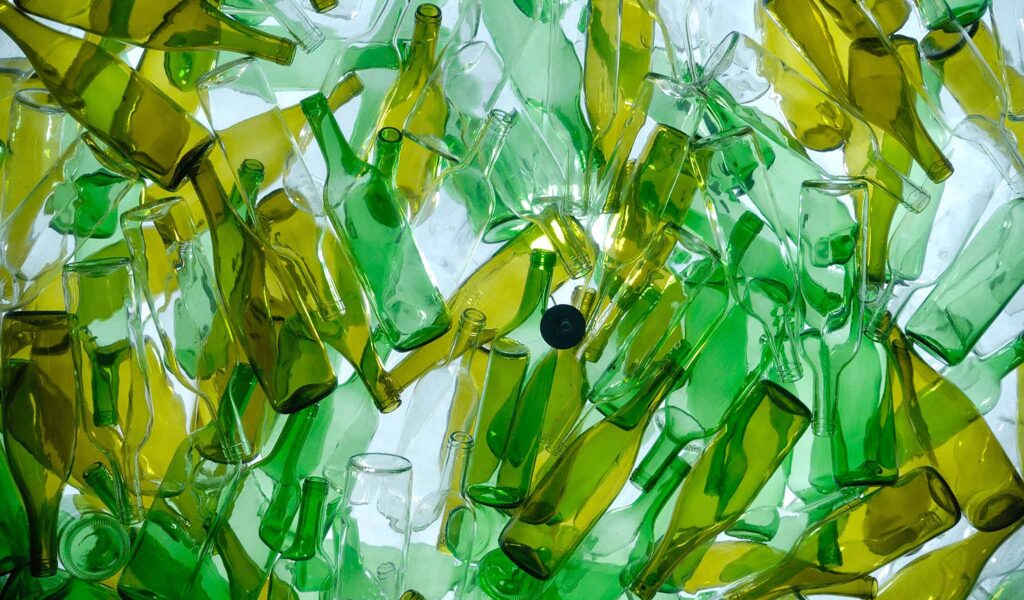
Reducing Raw Material Usage: Incorporating recycled glass (cullet) in the production process reduces the need for raw materials like sand, soda ash, and limestone. This not only conserves natural resources but also saves energy because melting cullet requires less heat compared to raw materials.
Reducing Carbon Emissions: The energy required to melt cullet is approximately 30% less than melting raw materials, reducing overall carbon emissions.
Energy Efficiency
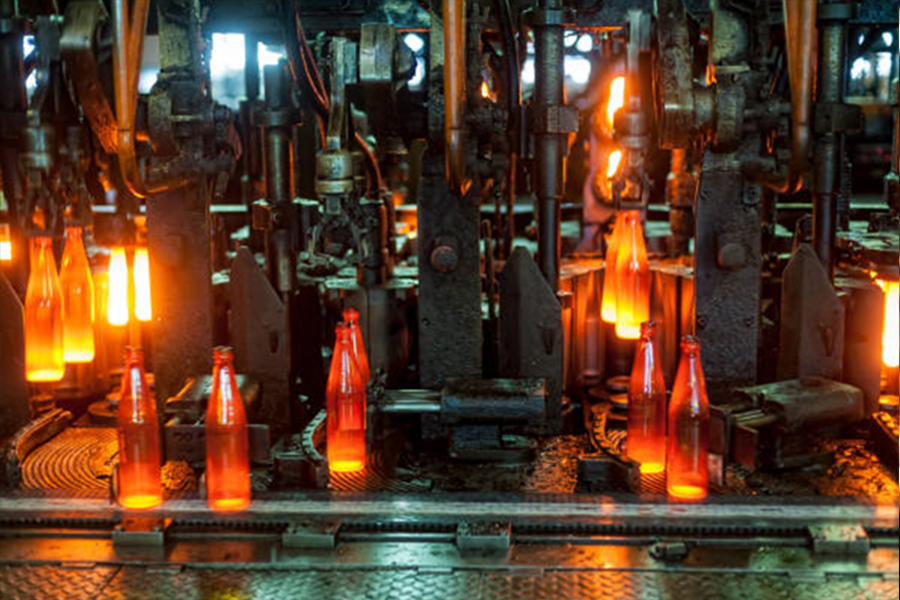
Optimize Furnaces: Glass furnaces should be optimized to reduce energy consumption. This can involve using advanced furnace technology, optimizing temperature control, and improving insulation to minimize heat loss.
Water Conservation
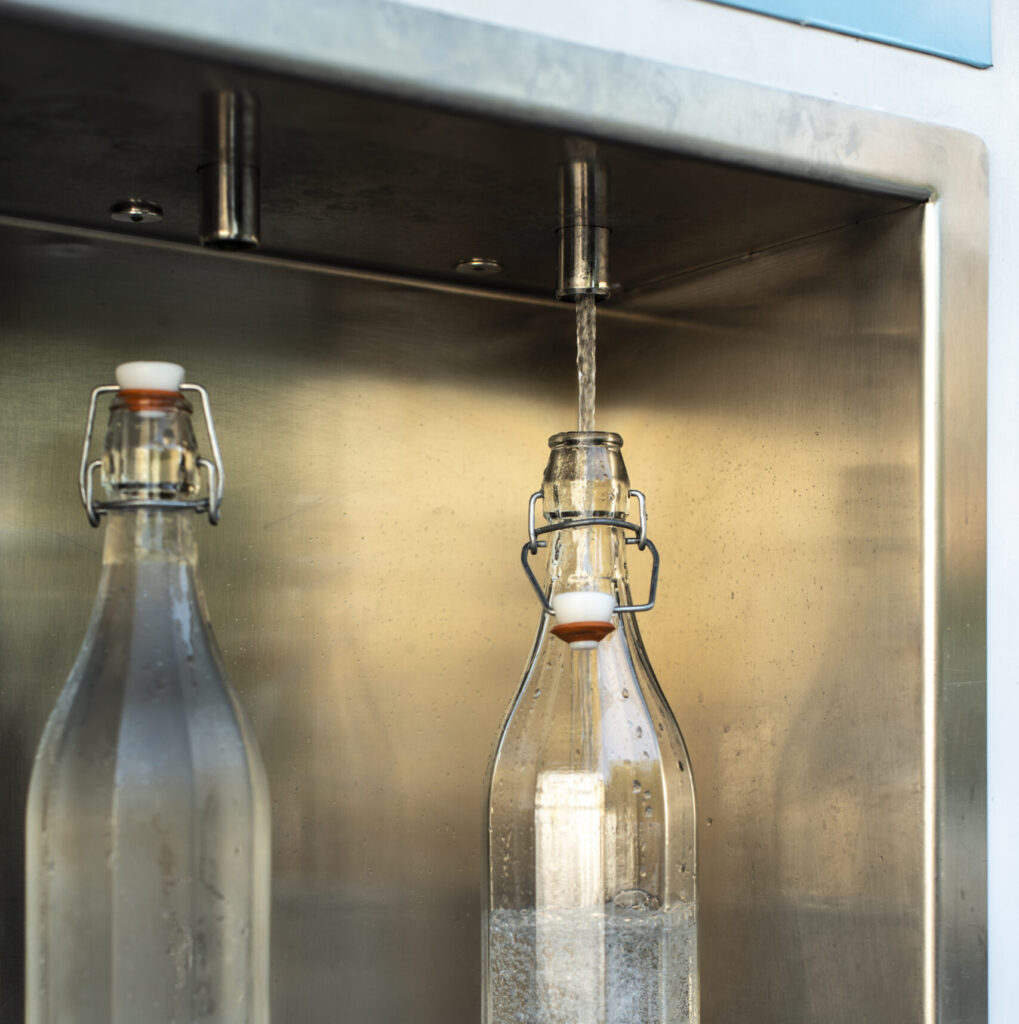
Water Recycling Systems: Implementing water recycling systems in cooling processes and cleaning operations helps reduce the demand for freshwater and prevents wastewater from being released untreated into the environment.
Efficient Use of Water: Installing low-flow water fixtures and optimizing processes to minimize water wastage.
Sustainable Packaging
Lightweight Bottles: Reducing the weight of glass bottles without compromising on strength or functionality reduces raw material use and transportation costs. Lightweight bottles use less energy to produce and reduce the carbon footprint during transportation.
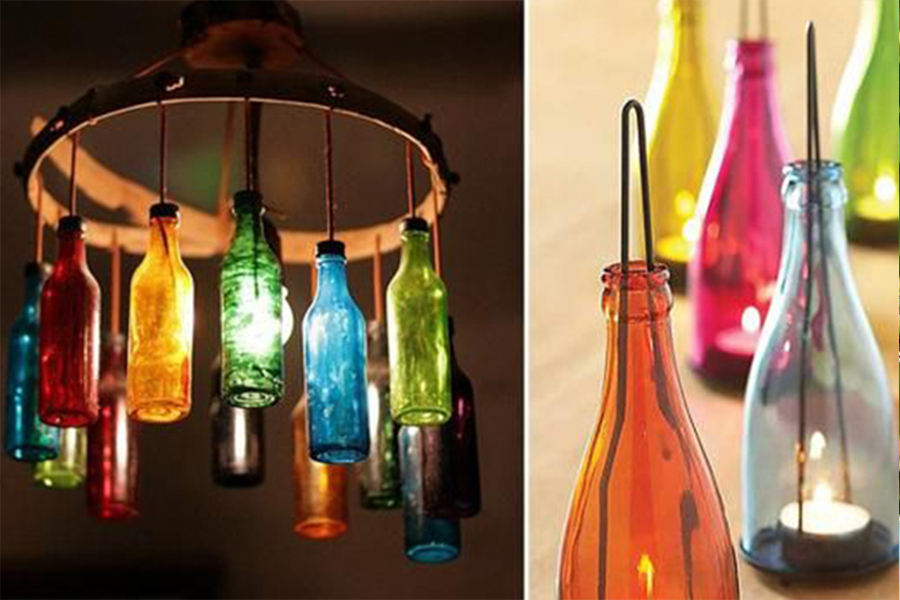
Design for Reusability: Encouraging consumers to return or reuse bottles can reduce the need for new production. Some companies are even introducing refillable bottles as part of their packaging solutions.
Waste Management
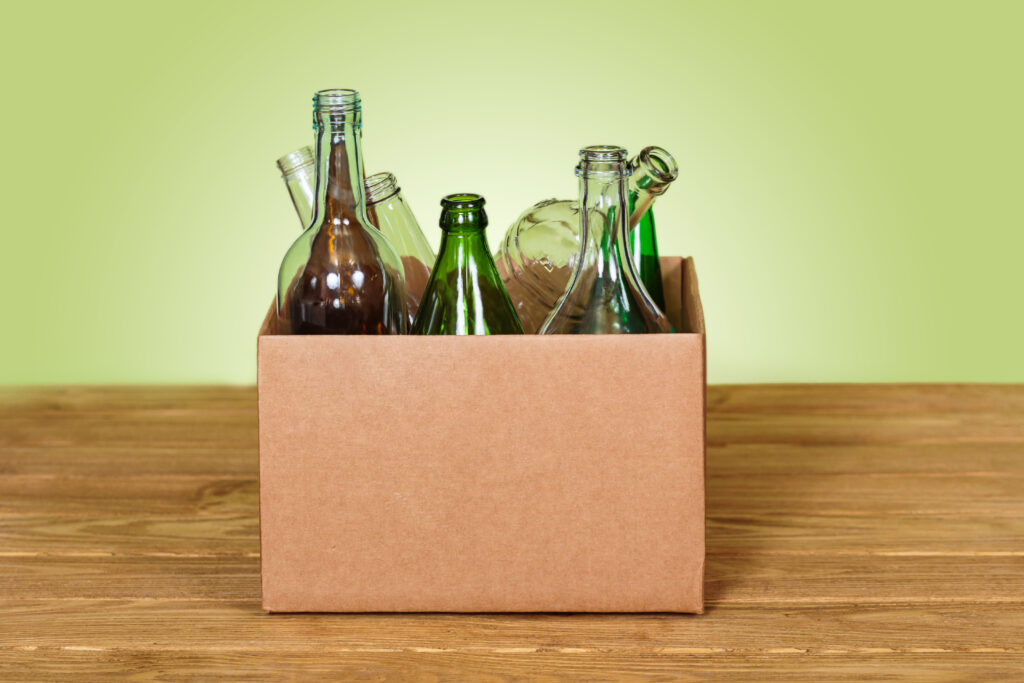
Zero Waste Initiatives: Companies should adopt strategies to minimize waste through better process management, recycling, and reusing materials wherever possible. Scrap glass can be reused in the production process, minimizing waste sent to landfills.
Sustainable Supply Chain
Sustainable Sourcing: Sourcing raw materials such as sand, soda ash, and limestone from sustainable and ethical suppliers ensures that the production process is not depleting natural resources.
Product Design
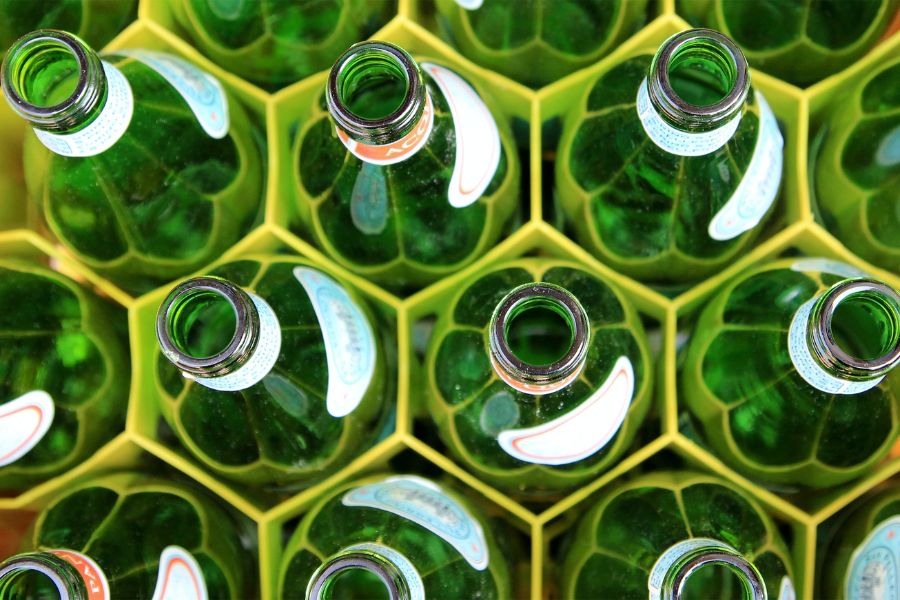
Design for Recycling: Ensuring that glass bottles are designed in a way that they are easy to recycle at the end of their life cycle. This includes clear labelling and minimizing mixed materials that complicate the recycling process.
Innovation in Bottle Design: New bottle designs that use less material or that offer additional functionalities can reduce resource consumption and waste.
Sustainable Certifications
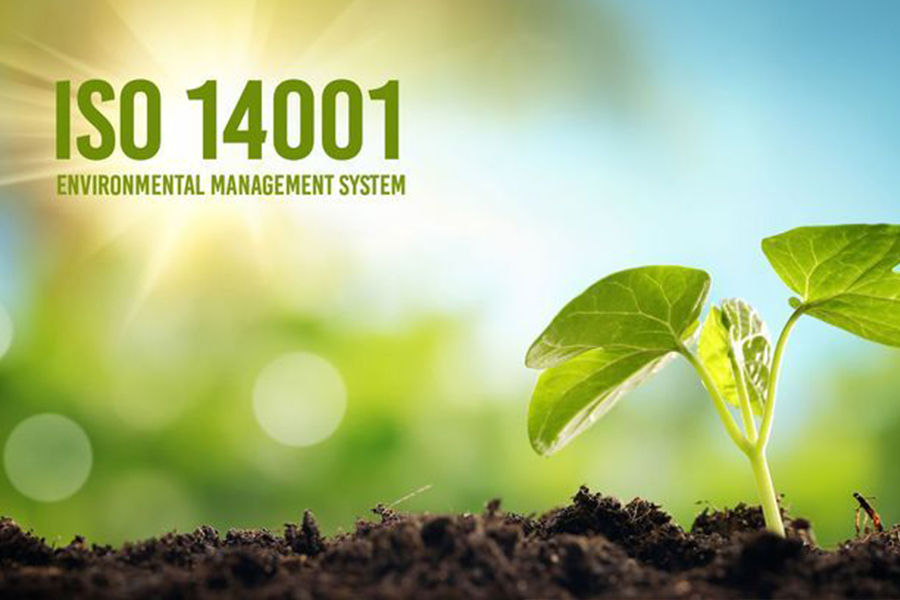
ISO Certifications: Achieving certifications like ISO 14001 (Environmental Management) can help demonstrate a commitment to sustainability practices.
Environmental Impact Reporting: Regularly reporting on sustainability goals, energy usage, water consumption, and emissions shows transparency and commitment to continuous improvement
Get in touch
Office
AMMAT GLASS INDUSTRIES FZE
Plot No. B045R01, 33 N 500 St,
Jebel Ali Free Zone (South),
Dubai, United Arab Emirates
P.O. Box: 61176
Contact
reception@ammatglass.com
Working Hours
Office: Monday to Friday, 7:30 AM - 5:00 PM Plant: Operates 24 Hours, 7 Days a Week